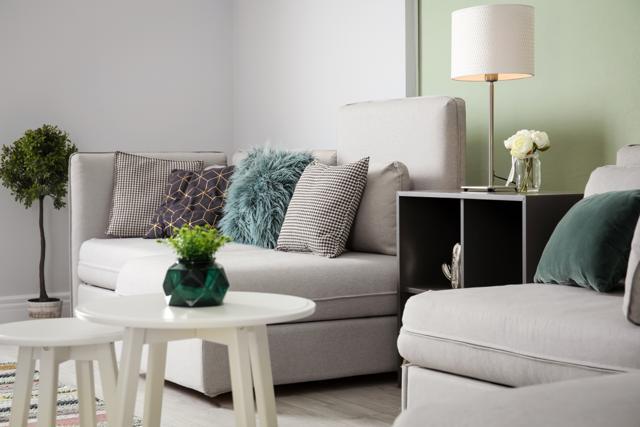
Hiring professional wallpaper installation services can completely transform the feel of a room. Whether you’re refreshing a single accent wall or redesigning your entire home, wallpaper offers unmatched visual impact, texture, and personality. But many homeowners aren’t sure what the process actually involves or how to prepare for an installation. Working with professionals not only ensures a clean, long-lasting finish—it also removes much of the stress and guesswork that DIY attempts often bring.
In this article, you’ll learn what to expect at every stage of the wallpaper installation process, why expertise matters, and how reputable installers deliver results that justify the investment.
Table of Contents
Initial Consultation and Assessment
The first step in securing quality wallpaper installation services is a thorough consultation. Most professional installers begin with an in-person or virtual assessment to understand your goals, evaluate the space, and identify any potential challenges. This stage is critical because the installer will examine details the average homeowner might overlook: wall texture, previous paint layers, humidity levels, lighting, and the type of wallpaper you’ve selected.
During this visit, the installer may measure each wall, note architectural features like alcoves or sloped ceilings, and evaluate whether repairs or wall smoothing are necessary. Some wallpapers—such as grasscloth, embossed vinyl, or murals—require specific preparation techniques. The consultation ensures the installer can provide accurate quotes, realistic timelines, and a plan tailored to your chosen material.
Preparing the Walls for Installation
Proper wall preparation is one of the biggest factors that differentiates professional work from DIY. A skilled installer knows that even high-end wallpaper can fail if applied to a poorly prepared surface. Expect the preparation stage to include:
1. Cleaning and Repairing the Surface
Walls must be clean, dry, and free of dust, grease, and loose paint. Installers will patch holes, repair cracks, and sand rough areas so the surface is as smooth as possible.
2. Priming for Adhesion
Priming creates a stable base that helps wallpaper adhere evenly and allows for easier removal in the future. The installer will choose a primer that matches your wallpaper type—particularly important for tricky materials like fabric-backed vinyl or peel-and-stick designs.
3. Addressing Moisture or Humidity Issues
Bathrooms, basements, and kitchens may need special primers or mold-resistant treatments. Experienced installers understand how environmental factors can affect long-term results.
This meticulous preparation ensures your wallpaper lasts longer, maintains its color, and lays flat without bubbles or seams lifting over time.
The Installation Process Step by Step
Once the walls are ready, the actual installation begins. Expect professionals to work methodically, often following a process similar to the one below:
Measuring and Matching the Pattern
For wallpapers with repeating patterns—florals, geometrics, murals—the alignment must be precise. Installers carefully plot where each strip will go, ensuring patterns line up perfectly around corners, windows, and doors.
Cutting and Applying Adhesive
Depending on the material, the adhesive may be applied directly to the wall, to the paper, or come pre-pasted. Professionals know exactly how long to let adhesive “book” (rest) before hanging the strip, preventing shrinkage or stretching.
Hanging Each Strip
Using smoothing tools, installers press each piece into place from top to bottom, eliminating wrinkles and air pockets. They trim excess paper along ceilings, baseboards, and outlets for a clean, crisp look.
Detail Work and Cleanup
Corners, edges, and seams require special attention to look seamless. Once the wallpaper is hung, professionals wipe away residue, clean the workspace, and inspect the installation with you to ensure satisfaction.
This entire process can take anywhere from a few hours to multiple days, depending on room size, complexity, and wallpaper type.
Why Professional Expertise Matters
While wallpaper may seem simple to apply, the craftsmanship involved is meticulous. Here’s why hiring experts is worth it:
- Precision in pattern alignment: Even a slight mismatch can be noticeable, especially with bold geometric or mural designs.
- Experience with specialty materials: Textured papers, metallics, natural fibers, and murals require different tools and techniques.
- Reduced risk of damage: Professionals avoid tearing, bubbling, or adhesive mishaps that often occur in DIY attempts.
- Time and cost efficiency: Installing wallpaper yourself can lead to costly mistakes or wasted rolls. Experts help maximize materials and finish the job efficiently.
- Lasting durability: A proper installation ensures your wallpaper maintains its beauty for years without peeling seams or discoloration.
Reputable wallpaper installation services provide both technical skill and creative insight, helping you make design decisions that complement your home’s style.
Aftercare, Maintenance, and Long-Term Expectations
A reliable installer will walk you through aftercare and maintenance specific to your wallpaper type. Some papers are washable or scrub-resistant, while others—like grasscloth—require gentle dusting only. You’ll also learn how long adhesives need to cure before exposing the room to heat, steam, or heavy traffic.
Professionals may offer warranties on their workmanship, giving you peace of mind that any installation-related issues will be addressed promptly.
Conclusion
Investing in professional wallpaper installation services is one of the best ways to ensure a flawless, long-lasting result. From the detailed preparation of your walls to the precision of pattern matching and final finishing touches, skilled installers bring expertise that elevates the final look of your space. Whether you’re planning to refresh a single room or transform an entire home, choosing professionals can help you avoid stress, prevent expensive mistakes, and achieve the sophisticated aesthetic that wallpaper is known for.