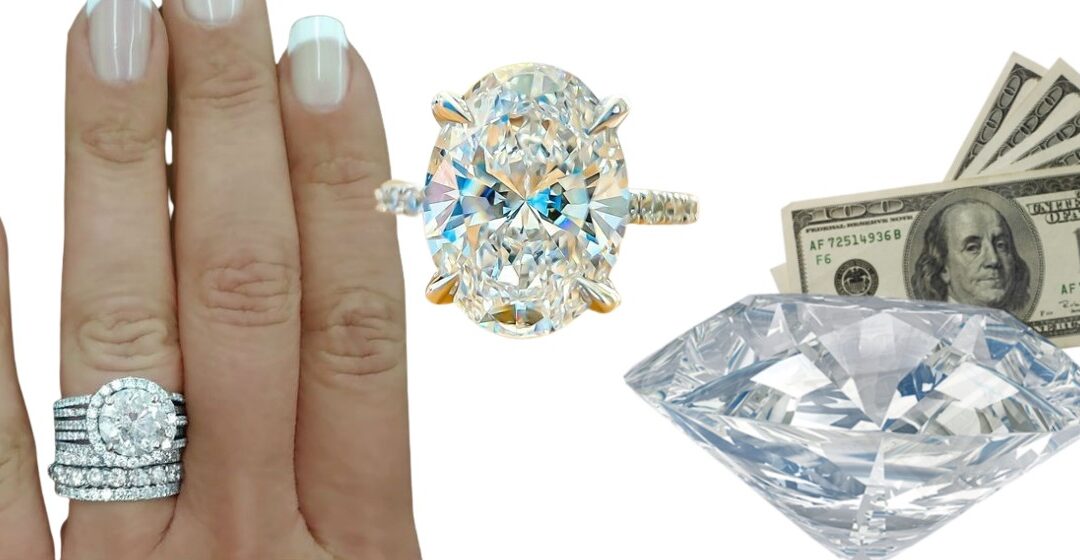
In the arena of fine jewelry—especially engagement rings and luxury adornments—the debate around moissanite vs diamond, lab made diamonds has become increasingly relevant. As more consumers seek ethical, sustainable, and cost-effective alternatives to traditional mined diamonds, understanding the nuances between these options is more important than ever.
This article delves into the core differences among natural diamonds, lab grown diamonds, and moissanite—breaking down their origins, appearance, durability, price, and ethical considerations—to help you make an informed and confident choice.
Table of Contents
The Origins: Nature vs Lab
Natural Diamonds
Natural diamonds are formed over billions of years under high pressure and temperature deep within the Earth’s mantle. Eventually, volcanic activity pushes these crystals to the surface, where they are mined. Their rarity and natural formation contribute to their traditional allure and high value.
Lab Made Diamonds
Lab made (or lab grown) diamonds are chemically and physically identical to natural diamonds. The only difference is how they’re created. These gemstones are produced in controlled laboratory environments using two main methods: High Pressure High Temperature (HPHT) and Chemical Vapor Deposition (CVD). These processes replicate the natural diamond-growing conditions in a matter of weeks rather than millennia.
Moissanite
Moissanite, while visually similar to diamonds, is an entirely different gemstone. Originally discovered in a meteor crater, natural moissanite is extremely rare. Today, all moissanite used in jewelry is lab created and composed of silicon carbide. It’s not a diamond nor a diamond simulant—it is a distinct gemstone with unique characteristics.
Appearance: Sparkle and Brilliance
At first glance, moissanite and diamonds can appear remarkably similar. However, upon closer inspection, differences become clear—especially to trained eyes.
Brilliance (Sparkle)
Moissanite has a higher refractive index (2.65–2.69) compared to diamonds (2.42), meaning it reflects more light and produces more rainbow-colored flashes, known as “fire.” Some people love this fiery look, while others prefer the more subdued sparkle of diamonds.
Color
High-quality diamonds, especially those graded D–F on the GIA color scale, are valued for their icy white appearance. Lab made diamonds can also be produced in this premium color range. Moissanite, however, can occasionally exhibit a slight yellow or gray tint, especially in larger stones.
Clarity
Since both moissanite and lab created diamonds are made in controlled environments, they generally have fewer inclusions or internal flaws than their natural counterparts.
In the context of moissanite vs diamond, lab made diamonds, lab diamonds win on authenticity and indistinguishable appearance from natural stones, while moissanite offers a unique sparkle that some buyers find more captivating.
Durability and Daily Wear
When choosing a gemstone for something like an engagement ring, durability is critical—it’s likely to be worn every day.
Hardness
On the Mohs scale of mineral hardness, diamonds rank 10, making them the hardest known natural material. Lab made diamonds share this ranking. Moissanite is close behind at 9.25, which is still extremely hard and suitable for everyday wear.
Toughness
Both diamonds and moissanite are durable, but diamonds tend to resist chipping better. That said, moissanite is more heat-resistant, which may be a consideration for jewelers during resizing or repairs.
In practical terms, either option will stand up well to daily wear, though diamonds (natural or lab grown) have a slight edge in overall durability.
Price Comparison
One of the most significant differences—and often the deciding factor for many buyers—is price.
- Natural diamonds are the most expensive, often significantly so, due to their rarity, mining costs, and supply chain markups.
- Lab made diamonds typically cost 30–50% less than natural diamonds of similar size and quality.
- Moissanite is the most budget-friendly option, often priced at a fraction of even lab grown diamonds.
For example:
- A 1-carat natural diamond might cost $6,000
- A lab diamond of similar specifications: $2,500–$3,500
- A moissanite equivalent: $500–$1,000
For buyers seeking maximum visual impact with a modest budget, moissanite offers exceptional value. For those prioritizing authenticity and long-term value retention, lab diamonds provide a compelling middle ground.
Ethical and Environmental Considerations
Today’s consumers are more informed and socially conscious than ever. Ethical sourcing and sustainability often weigh heavily in the decision-making process.
- Natural diamonds—especially those not certified conflict-free—raise concerns about human rights abuses, environmental degradation, and labor practices in some mining regions.
- Lab made diamonds are seen as a more ethical and environmentally friendly choice. They require no mining and have a significantly lower carbon footprint, especially when produced using renewable energy.
- Moissanite, being entirely lab created, is inherently ethical and sustainable. Its production involves minimal environmental impact and no association with conflict zones.
From an ethical standpoint, both moissanite and lab grown diamonds offer peace of mind that natural diamonds sometimes cannot guarantee.
Resale Value and Perception
One area where natural diamonds still maintain an advantage is resale value. Traditionally marketed as rare and luxurious, diamonds retain that perception—even if they don’t always deliver a high return on resale.
- Lab made diamonds have a growing resale market, but values can vary based on brand, size, and current demand.
- Moissanite, being a distinct gemstone and not as widely perceived as a luxury item, typically has lower resale value.
That said, many consumers today purchase jewelry not with resale in mind, but for the joy of wearing or gifting something beautiful and meaningful. As public perception continues to shift—especially among younger buyers—the resale gap is expected to narrow.
Making the Right Choice
So, which is better—moissanite vs diamond, lab made diamonds? The answer depends entirely on your values, budget, and personal preferences.
Choose Natural Diamonds If:
- You value tradition, rarity, and long-term value
Opt for Lab Grown Diamonds If:
- You want the same beauty and composition as natural diamonds
- You care about ethics and affordability
Go with Moissanite If:
- You’re looking for maximum brilliance and budget-friendliness
- You don’t mind choosing a different but dazzling gemstone
Each option has its own unique appeal, and the best choice is the one that aligns with your story and priorities.
Conclusion
In a world where consumers are more aware and informed than ever, the question of moissanite vs diamond, lab made diamonds is no longer niche—it’s central to the modern jewelry conversation. As technology evolves and values shift toward sustainability and transparency, alternatives like lab grown diamonds and moissanite are gaining legitimacy and admiration from a new generation.
Whether you’re planning a proposal, celebrating a milestone, or simply treating yourself, understanding the differences between these options empowers you to make a decision rooted in knowledge—not just tradition. At the end of the day, the best stone is the one that feels right on your finger and in your heart.