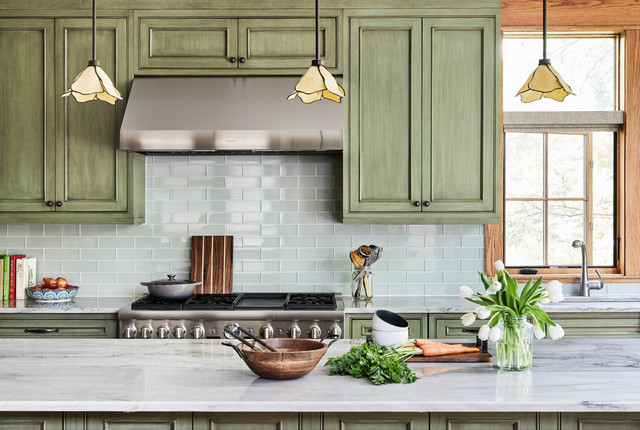
The kitchen worktop serves as the hardworking heart of your culinary space, enduring daily chopping, hot pans, spills, and countless meal preparations. More than just a functional surface, your worktop choice significantly impacts your kitchen’s aesthetic appeal, resale value, and overall usability. With an overwhelming array of materials, finishes, and price points available, selecting the right worktop can feel daunting. This comprehensive guide will help you navigate the options and make an informed decision that perfectly balances style, functionality, and budget.
Table of Contents
Understanding Different Worktop Materials
Natural Stone Options
Natural stone remains one of the most prestigious choices for kitchen surfaces, offering unparalleled beauty and durability. Granite leads this category with its exceptional hardness, heat resistance, and unique patterns that ensure no two installations are identical. Each granite slab tells a geological story through its distinctive veining and color variations.
Marble, while softer than granite, provides an elegant, luxurious appearance that’s particularly favored in traditional and contemporary designs. However, marble requires more maintenance due to its porous nature and susceptibility to acid damage from citrus fruits and vinegar.
Slate offers a more rustic, textured appearance with excellent durability and natural slip resistance. Its darker tones complement both modern and traditional kitchen designs while providing practical benefits for busy cooking environments.
Engineered Stone Surfaces
Quartz worktops have gained tremendous popularity due to their consistent appearance, non-porous surface, and minimal maintenance requirements. These engineered surfaces combine natural quartz crystals with polymer resins, creating surfaces that resist stains, scratches, and bacterial growth without requiring regular sealing.
The manufacturing process allows for consistent color and pattern distribution, making it easier to achieve uniform appearances across large kitchen installations. Additionally, engineered quartz offers superior impact resistance compared to natural stones.
Solid Surface Materials
Solid surface worktops, such as Corian, provide seamless installation possibilities with integrated sinks and backsplashes. These acrylic-based materials can be thermoformed into curved shapes and repaired if damaged, offering design flexibility that natural stones cannot match.
The non-porous nature of solid surfaces makes them highly hygienic and easy to maintain, while their consistent appearance throughout the material thickness allows for creative edge treatments and design possibilities.
Laminate and Budget-Friendly Options
Modern laminate worktops have evolved significantly from their early predecessors, now offering realistic stone and wood appearances at fraction of the cost. High-pressure laminates provide durability and stain resistance while accommodating various design preferences and budget constraints.
These options work particularly well in rental properties, starter homes, or situations where frequent updates are anticipated.
Key Factors to Consider When Selecting Worktops
Durability and Maintenance Requirements
Different materials require varying levels of care and maintenance. Natural stones typically need periodic sealing to maintain their appearance and protect against stains, while engineered surfaces often require only regular cleaning with mild detergents.
Consider your lifestyle and willingness to perform regular maintenance when making your selection. Busy families might prefer low-maintenance options, while cooking enthusiasts who appreciate natural materials might not mind additional care requirements.
Heat and Stain Resistanc
Kitchen worktops must withstand hot pans, spills, and various cooking activities. Natural stones generally offer excellent heat resistance, while some engineered materials may require trivets or heat pads to prevent damage from extremely hot cookware.
Stain resistance varies significantly between materials, with sealed natural stones and engineered surfaces typically offering superior protection compared to untreated materials.
Aesthetic Appeal and Design Integration
Your worktop choice should complement your kitchen’s overall design theme while reflecting your personal style preferences. Consider how different materials interact with your cabinetry, flooring, and lighting to create cohesive visual harmony.
Edge treatments, thickness options, and finish choices can dramatically impact the final appearance, so explore these details during your selection process.
Installation Considerations and Professional Requirements
Measuring and Templating
Accurate measurements and professional templating ensure proper fit and minimize waste. Most stone and engineered materials require precise measurements due to their weight and cost, making professional installation essential for optimal results.
Support Structure Requirements
Heavy materials like granite and engineered quartz require adequate cabinet support to prevent sagging or structural damage. Ensure your existing cabinets can handle the weight, or plan for necessary reinforcement during installation.
Plumbing and Electrical Integration
Consider how your worktop choice affects sink installation, electrical outlets, and other integrated features. Some materials accommodate undermount sinks better than others, while certain installations may require specialized cutting techniques.
Cost Analysis and Budget Planning
Material Costs
Worktop costs vary dramatically based on material choice, thickness, and complexity of installation. Natural stones typically command premium prices due to quarrying, transportation, and fabrication costs, while engineered materials offer more predictable pricing structures.
Installation Expenses
Professional installation costs depend on material complexity, kitchen size, and special requirements like cutouts for sinks and appliances. Factor these expenses into your total budget planning.
Long-term Value Considerations
While initial costs are important, consider the long-term value proposition of different materials. Higher-quality worktops often provide better durability, lower maintenance costs, and improved resale value.
When researching options for kitchen worktops, consider working with experienced suppliers who can provide samples, detailed comparisons, and professional guidance based on your specific requirements and budget constraints.
Maintenance and Care Best Practices
Daily Cleaning Routines
Establish appropriate cleaning routines based on your worktop material. Most surfaces benefit from daily cleaning with mild detergents and soft cloths, while avoiding abrasive cleaners that could damage finishes.
Preventive Care Measures
Use cutting boards, trivets, and coasters to protect your worktop investment. These simple precautions can significantly extend the lifespan and appearance of your surfaces.
Professional Maintenance Services
Some materials benefit from periodic professional maintenance, including sealing, polishing, or repair services. Factor these ongoing costs into your decision-making process.
FAQ Section
How long do different kitchen worktop materials typically last?
Natural stone worktops can last 20-30 years or more with proper care, while engineered quartz typically offers 15-25 years of service life. Laminate worktops usually require replacement after 10-15 years, though high-quality options may last longer with careful maintenance.
Can I install kitchen worktops myself to save money?
While some materials like laminate may be suitable for DIY installation, natural stone and engineered quartz typically require professional installation due to their weight, specialized tools needed, and precision requirements. Improper installation can void warranties and lead to costly repairs.
What’s the most hygienic worktop material for families with young children?
Non-porous materials like engineered quartz and solid surfaces offer the best hygiene properties since bacteria cannot penetrate the surface. These materials are easy to sanitize and don’t require sealing, making them ideal for families prioritizing cleanliness and food safety.
How do I choose between granite and quartz worktops?
Consider your maintenance preferences, design goals, and budget. Granite offers unique natural patterns but requires periodic sealing, while quartz provides consistent appearance and minimal maintenance. Both offer excellent durability, so the choice often comes down to aesthetic preference and care requirements.
Are there eco-friendly kitchen worktop options available?
Yes, several eco-friendly options exist, including recycled glass worktops, bamboo surfaces, and reclaimed wood. Some engineered quartz manufacturers also incorporate recycled materials. Research the sustainability credentials of different manufacturers when environmental impact is a priority.
Conclusion
Selecting the perfect kitchen worktop requires careful consideration of multiple factors including durability, maintenance, aesthetics, and budget. While the array of available options might seem overwhelming initially, understanding the characteristics and benefits of different materials helps narrow your choices to options that best suit your specific needs and lifestyle.
Remember that your worktop investment extends beyond mere functionality – it significantly impacts your kitchen’s visual appeal, daily usability, and long-term value. Take time to examine samples, visit showrooms, and consult with experienced professionals who can provide insights based on your unique requirements.
Whether you choose the timeless elegance of natural stone, the consistency of engineered materials, or the flexibility of solid surfaces, the key lies in selecting a worktop that enhances your cooking experience while complementing your home’s overall design aesthetic. With proper selection and care, your kitchen worktop will serve as a beautiful, functional centerpiece for years to come.