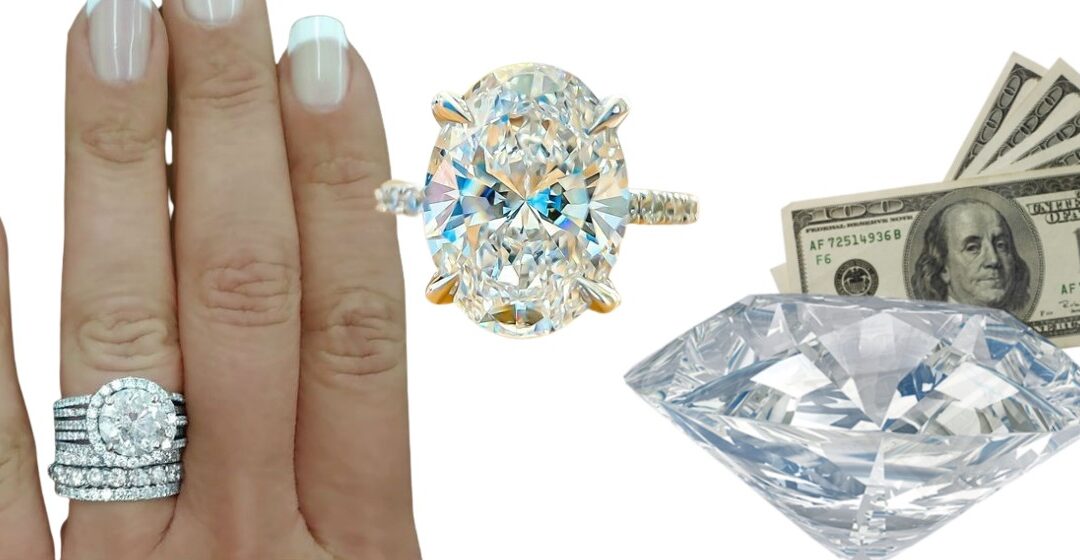
Most people think it’s about the rock. Truth is, it’s about moissanite diamond. Price might matter first. Then where it came from. How it looks every day. Whether it lasts. Some choose lab diamonds simply – same sparkle, same toughness, minus the high cost and ancient wait. These gems are actual diamonds. Not fakes. Never pretend to be something else. Creation separates them. One grows under earth. The other in controlled settings. Deep underground, natural diamonds take ages to form. Yet in labs, people build diamond crystals fast – using intense heat instead of time. From a glance, no difference shows up at all. But one choice leaves far more money on the table than the other.
Table of Contents
Lab Grown Diamonds Explained Simply
A single crystal of pure carbon makes up a lab diamond, just like one pulled from the earth. Identical toughness appears in both types. Light dances off them in exactly the same manner. Experts judge their quality using identical rules. Not cubic zirconia. Not glass either. Created quicker than mined ones. Important since plenty think lab-grown means worse. Wrong idea. Flawless versions exist. Papers often come with them. Measure up to top natural picks. Say you check two bands. Identical at first glance. A single one runs about fifty percent less. Chances are it’s man made if the tag drops that low.
How They’re Made
Folks tend to pick one of two ways. Yet some start different, still land on these paths.
- High Pressure High Temperature recreates the natural environment deep in the earth
- A single breath of carbon gas begins the process. Layer after layer settles into place slowly over time. Tiny pieces build up through quiet repetition. This method shapes diamonds without rushing. Each stage adds just a bit more substance. Growth happens where vapor meets surface gently. The result appears grain by grain, never forced
A real diamond comes from either approach. Regardless of how it’s made, the stone acts the same every day. Your experience shapes what counts – never the steps behind it.
People pick lab made diamonds
Most buyers have practical reasons.
- Fewer dollars needed, though it stays just as big and good
- Fresh start, built without digging into mines
- More flexibility in design and budget
A bigger stone on the same spending plan? lab made diamonds it possible. Pick one route: a 1-carat mined diamond or stretch to 1.5 carats with a lab version – price feels about equal. Eyes spot the size jump right away. Where it came from? That part stays invisible.
What You Let Go
Every choice has its cost. While lab stones look identical, their worth drops faster than mined ones. Secondhand sales often bring less money. Prices shift as demand changes. A few people value the thought of something hard to find. Few natural diamonds exist because Earth makes them slowly. Man-made ones come without that limit. Should the story behind a stone matter to you, it could shape what you pick.
Judging Quality
Just like real diamonds, these follow identical guidelines. Pay attention to cut, clarity, color – then carat weight matters too. What counts most? How light plays within the stone. Size shows up last, after quality speaks first.
- Cut affects how the diamond reflects light
- Color measures how clear or tinted the stone appears
- Inside marks catch Clarity’s eye
- Carat defines size
A good cut makes all the difference. Even if it’s small, a diamond shines more when shaped just right instead of being big but dull. Take brightness – this comes alive in finer cuts, even on tiny stones. Size loses its edge when craftsmanship steps forward.
Certification Matters
Start by looking at the paperwork. Trusted labs examine real and man-made stones alike. That report shows exactly what’s in your hand. Pay attention to matching details. Beyond just names on tags. When a vendor dodges certified gems, move somewhere else.
Lab Grown Diamonds Compared to Other Options
Might spot moissanite every now and then. Not diamond – completely separate stuff altogether. Rainbows bounce off it stronger, shines in its own way. Hardness? Well, that sits on another step of the scale. Light bounces differently through lab diamonds compared to moissanite. That flash under bright settings? Moissanite gives off a rainbow glow some notice right away. A few enjoy that sparkle. It reminds others too much of glass. What looks better to you matters just as much as price when deciding. The call rests on how each stone catches your eye.
Pricing Reality
Made in labs, these stones slide under the price of mined ones since making them takes less time plus control keeps things steady. Size plays a role, so does clarity – costs shift accordingly. Usually though, expect to hand over thirty to fifty per cent fewer dollars versus natural gems. Just because it costs less does not hint at weakness. The gap comes down to origin, nothing more.
When lab diamonds are practical
Most times, they just work fine. Yet here and there, something else might fit better.
- A bigger rock fits your pocket if cash stays tight. Money talks, yet size wins when choices narrow. Spend less, gain more ground without stretching limits. Value hides where weight meets wallet
- Looks matter to you far more than where it came from
- You want a modern option with clear sourcing
For lasting value or scarcity, they fall short. Still, if those matter most, better options exist. Rare finds? Not really their strength. Long game plans often need something more. Resale appeal after years – here it dips.
Simple Buying Tips
Keep your approach simple.
- Budget first, then browsing begins. Before checking choices, decide what you can spend. Money limits shape where you look. Start by fixing how much goes out. Spending caps guide every pick that follows
- Prioritize cut over carat size
- Compare certified stones only
- If you can, take a look at the stone under various kinds of light
A single moment saved now might cost more later. Even tiny shifts in craftsmanship affect the way light plays across a stone. Picture two gems, identical on paper by size alone. The glow differs sharply when one is shaped with greater precision. Seeing them side by side reveals what numbers cannot.
Common mistakes to avoid
Most people picking something up tend to slip into familiar mistakes.
- Size matters most when you look past everything else
- Ignoring certification
- Assuming all lab diamonds are identical
- Not comparing multiple options
Slow down when checking the facts. Redoing this choice isn’t something you’ll enjoy later.
Final Thoughts Before Deciding
Picking one path means leaving another behind. These stones match natural ones in every way except where they come from. Some people need nothing more than that fact to decide. Value shifts depending on what you care about most. Size matters less when budget counts – lab stones often make sense then. Natural sparkle draws some people, though. Right choice? Depends where your values sit. Personal fit beats any rule every time.
FAQs
Are lab made diamonds real diamonds?
Exactly. Identical makeup, both chemically and physically, when compared to real diamonds.
Lab diamonds hold up just like mined ones over time.
Fine for everyday use, they hold up just the same. Durability matches perfectly across both.
Can people tell the difference?
Only with special tools can you tell. At first glance, one appears just like the other.